Modern Kitchen Design with Soft Minimalism: A Refined Approach to Kitchen Remodel in 2026

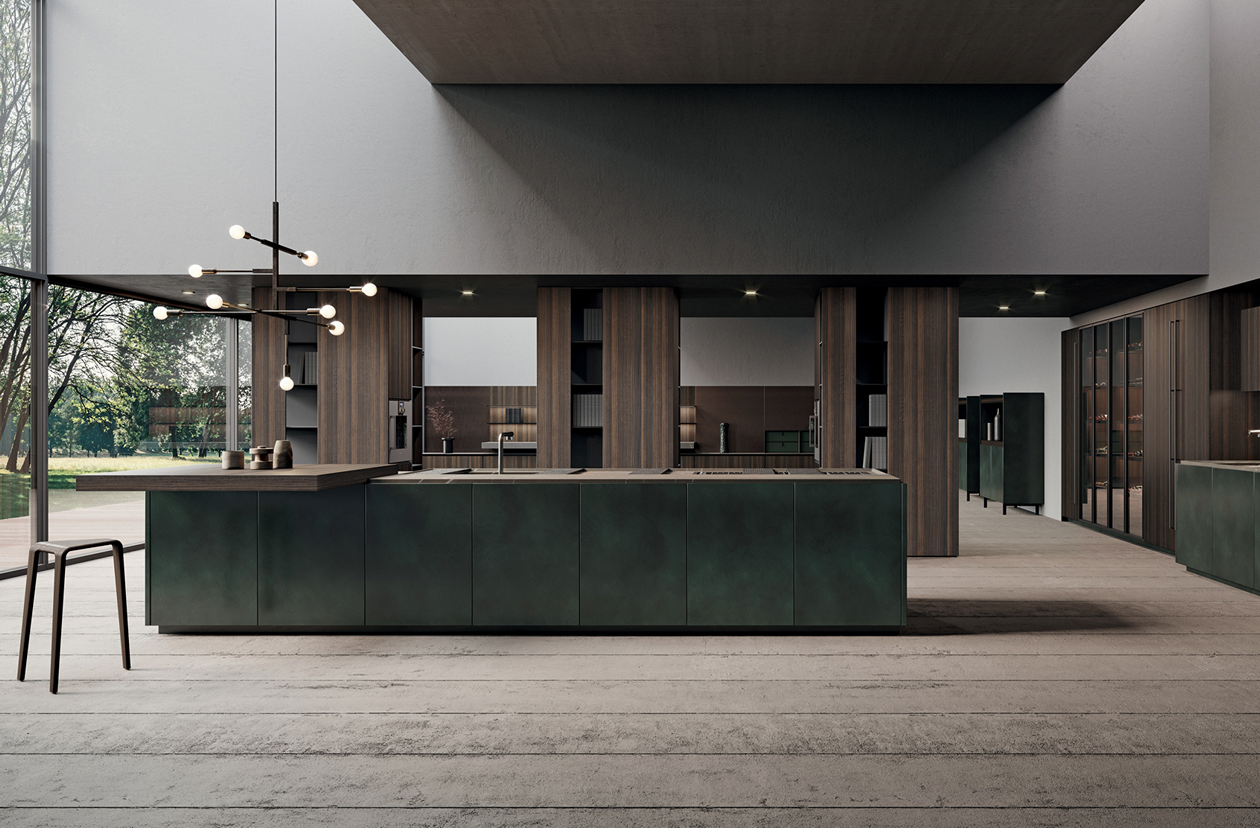
This image presents a carefully balanced example of contemporary kitchen design, where minimalism meets warmth—an approach increasingly востребован in today’s kitchen remodel and broader home remodel projects across the U.S. market. The space is not just visually appealing; it reflects deliberate planning decisions that optimize layout, materials, and everyday usability.

At its core, this kitchen design follows a “soft minimalism” concept—clean lines, muted tones, and absence of visual clutter, but without the coldness often associated with ultra-modern interiors. The muted sage cabinetry paired with warm wood flooring creates a calming palette that works well for both kitchen remodel and bathroom remodel projects where continuity in interior design is important.

In real client scenarios, especially in mid- to high-end home remodel projects, this type of aesthetic is often chosen by homeowners who want longevity. It avoids trend fatigue, meaning fewer updates over time—an important factor when considering kitchen renovation costs and overall investment strategy.

Layout: Integrated Dining and Efficient Workflow

The layout combines a linear kitchen wall with a central dining area, which is a practical solution for apartments or homes where space optimization is critical. Instead of adding a bulky island, the round dining table serves as a flexible focal point—ideal for both dining and light prep work.

From a professional kitchen design standpoint, this layout supports an efficient workflow:

  • Cooking zone is consolidated along one wall
  • Storage is maximized through full-height cabinetry
  • Dining remains visually connected but not intrusive

This kind of planning is particularly relevant in projects where clients are balancing kitchen remodel costs with spatial limitations. In many bath remodeling or renovating bathrooms scenarios, a similar principle applies—maximizing function within a compact footprint.

Materials: Texture Over Contrast

Material selection in this kitchen is subtle but strategic. Instead of relying on bold contrasts, the design uses texture to create depth:

  • Fluted backsplash adds vertical rhythm without overwhelming the space
  • Matte cabinetry reduces glare and fingerprints—practical for daily use
  • Wood flooring introduces warmth and durability

From a cost perspective, these choices can be scaled depending on budget. For example, textured backsplash panels can vary significantly in price, directly impacting kitchen renovation costs. Clients often underestimate how material upgrades influence kitchen remodel costs, but in reality, finishes can account for a substantial portion of the total budget.

The use of glass-front cabinets also adds a semi-open storage solution—visually lighter than solid doors, yet more controlled than open shelving. This is a common compromise in both kitchen design and bathroom remodel projects where aesthetics and maintenance must be balanced.

Lighting: Layered and Intentional

Lighting plays a critical role in this space. The central decorative pendant acts as a statement piece, anchoring the dining area, while concealed linear ceiling lighting ensures even illumination across the kitchen workspace.

In professional interior design practice, layered lighting is essential:

  • Ambient lighting for general visibility
  • Task lighting for cooking and prep
  • Accent lighting for atmosphere

Poor lighting is one of the most common mistakes in both kitchen remodel and bath remodeling projects, often leading to additional costs post-installation.

Cost Considerations: Where Budget Meets Design

This kitchen sits in a mid-to-premium cost range. Several factors influence kitchen remodel costs here:

  • Custom or semi-custom cabinetry
  • Integrated appliances
  • High-quality finishes (backsplash, flooring, fixtures)

For clients planning a home remodel that includes both kitchen and renovating bathrooms, it’s critical to allocate budget proportionally. Kitchens typically command the highest investment, but bathrooms are close behind, especially when high-end fixtures and tile work are involved.

A realistic approach is to prioritize elements that impact daily use—storage, ergonomics, and durability—over purely decorative upgrades.

Common Mistakes to Avoid

Even a well-designed kitchen like this can go wrong if key principles are ignored:

  • Over-minimizing storage: Clean aesthetics should not compromise functionality
  • Ignoring ergonomics: Cabinet heights and workflow must match user habits
  • Underestimating lighting needs: Decorative fixtures alone are not enough
  • Misallocating budget: Spending too much on visible elements while neglecting infrastructure

These mistakes are frequently seen not only in kitchen remodel projects but also in bathroom remodel and broader home remodel plans.

Final Insight

This kitchen demonstrates how thoughtful kitchen design can elevate everyday living without unnecessary complexity. It aligns with current interior design trends that prioritize calm, functional, and adaptable spaces. For homeowners evaluating kitchen renovation costs or planning combined bath remodeling and renovating bathrooms projects, this approach offers a clear direction: invest in balance, not excess.
Asian Bathroom Design: Precision, Balance, and Material Integrity

Asian bathroom design is often misunderstood as a decorative style. In practice, it is a spatial philosophy built on proportion, restraint, and material authenticity. When I design bathrooms inspired by Japanese, Balinese, or contemporary Asian interiors, the focus is never on ornament — it is on atmosphere, flow, and tactile experience.

This approach works equally well in compact urban apartments and expansive primary suites. The key is disciplined material selection, controlled color palettes, and thoughtful integration of furniture such as vanities for the bathroom that complement, rather than dominate, the architecture.


Spatial Planning: Calm Through Clarity

The first principle of Asian-inspired bathrooms is spatial hierarchy. Wet and dry zones are clearly defined. Circulation is unobstructed. Storage is integrated.

In practical terms, this means:

  • Walk-in showers with minimal framing
  • Freestanding soaking tubs positioned as focal points
  • Floating bath cabinets to maintain visual lightness

In smaller spaces, I often specify wall-mounted vanities to free floor area and visually expand the room. A compact bath vanity with clean lines and concealed storage can maintain serenity without sacrificing function.


Material Selection: Authenticity Over Decoration

Asian interiors rely heavily on natural materials, but they must be used intentionally.

Wood

Warm woods — teak, walnut, or oak — ground the space. I typically use wood for bath cabinets or as cladding for a bathroom vanity with sink. The grain should remain visible; heavy staining or glossy lacquer disrupts the natural aesthetic.

Stone

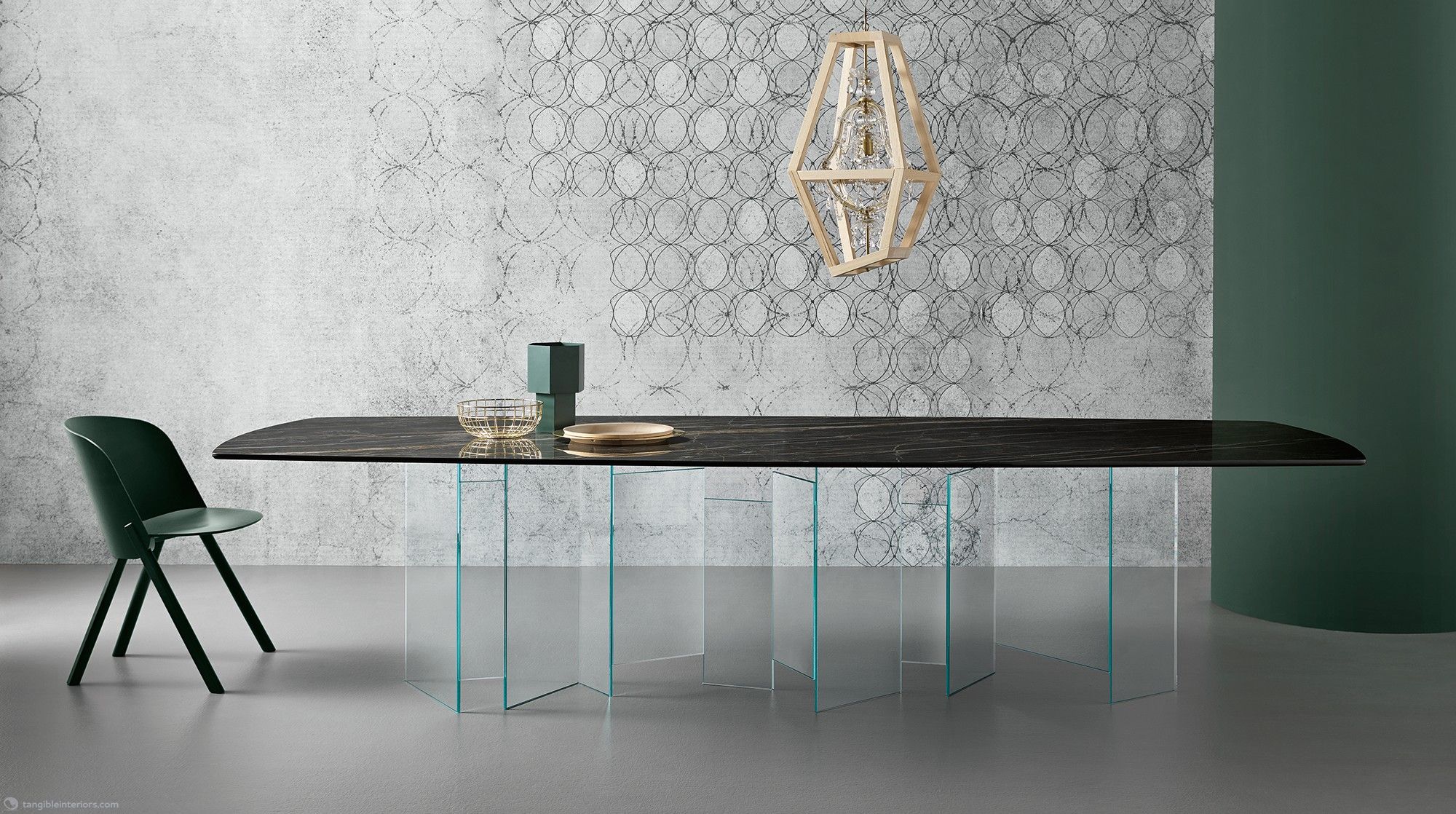
Natural stone brings weight and permanence. Think honed basalt, limestone, or textured marble. A stone countertop paired with minimalist vanities creates a quiet yet architectural presence.

Bamboo and Natural Fibers

Bamboo is often introduced through accessories, screens, or ceiling details. It works best as a secondary material, not as a dominant surface.


The Soaking Tub as Architectural Anchor

In many Asian-influenced designs, the bathtub is not simply a fixture — it is a ritual object. Deep soaking tubs, whether freestanding or built-in, should feel deliberate.

Placement matters. I often align the tub with a window or a garden view. If that’s not possible, indirect lighting and textured walls can create the same contemplative atmosphere.

The surrounding elements — stone floors, wood accents, and subtle lighting — must support the tub visually. Furniture should recede. A low-profile bathroom vanity cabinet with sink works better here than bulky, traditional cabinetry.


Color Palette: Controlled and Intentional

Asian bathroom design avoids high contrast and trend-driven palettes. Instead, it relies on tonal harmony:

  • Warm neutrals
  • Soft grays
  • Earth tones
  • Muted greens

White is used carefully — often as a backdrop to highlight wood or stone. When specifying vanities for the bathroom, I avoid glossy finishes. Matte lacquer, natural veneer, or textured laminates maintain visual softness.


Storage Strategy: Concealed and Functional

Minimalism only works when clutter is eliminated. That requires strategic storage planning.

I typically integrate:

  • Recessed shelving in shower niches
  • Deep drawers in vanities rather than hinged doors
  • Tall bath cabinets with concealed hardware

For shared bathrooms, a double sink vanity or full double vanity configuration is often necessary. However, proportion is critical. Oversized cabinetry disrupts balance. The goal is symmetry without heaviness.

In larger primary suites, a double vanity with floating installation keeps the space feeling open. In compact layouts, two narrow integrated basins may be more appropriate than a wide double sink vanity.


Lighting: Layered and Indirect

Lighting defines atmosphere more than any decorative element. Harsh overhead fixtures contradict the calm aesthetic.

Instead, I design layered lighting:

  • Recessed ceiling lights on dimmers
  • LED strips beneath floating vanities
  • Soft backlit mirrors

Under-cabinet lighting beneath bath cabinets adds depth and gives the illusion that the furniture is hovering — a subtle but powerful detail.


Water Features and Indoor-Outdoor Connection

In tropical Asian design, the bathroom often connects visually to nature. Even in urban environments, we can reinterpret this idea.

  • Indoor plants placed strategically near the tub
  • Textured stone walls
  • Skylights where possible

The concept is not to replicate a resort but to evoke tranquility through sensory cues — texture, light, and sound.


Choosing the Right Vanity in an Asian-Inspired Bathroom

Furniture selection must align with architectural intent. The wrong vanity can undermine the entire composition.

When selecting vanities, consider:

Proportion

The vanity should never overpower the room. In smaller bathrooms, a streamlined bath vanity with wall-mounted installation preserves openness.

Material Harmony

Wood vanities with visible grain work well. Pair them with stone or solid-surface tops for contrast.

Storage Efficiency

Drawers with internal organizers are preferable to open shelving. Asian design is not about display; it is about calm order.

Sink Integration

An integrated bathroom vanity with sink provides visual continuity. Vessel sinks can work, but only if scale and height are carefully calibrated.

For shared spaces, a double vanity layout must maintain symmetry. I often recommend slim-profile designs to avoid visual bulk.


Designing with Intention

Asian bathroom design is not about copying decorative motifs. It is about disciplined editing. Every surface, every joint, every material transition should feel intentional.

When executed properly, the result is a bathroom that feels grounded and restorative — not styled, but composed.

The most successful projects I’ve completed in this direction share one quality: restraint. A limited material palette. Clean-lined vanities. Thoughtfully positioned bath cabinets. Balanced proportions.

Design, in this context, is less about adding — and more about removing everything that does not serve calm.

The Ultimate Guide to Modern Italian Furniture

The Timeless Elegance of Italian Design

Modern Italian furniture represents the pinnacle of contemporary home design, seamlessly blending centuries-old craftsmanship with cutting-edge aesthetics. When you invest in Italian dining furniture, you’re not just purchasing pieces for your home—you’re acquiring works of art that transform your dining space into a sophisticated sanctuary. From sleek Dining Tables to ergonomic chairs, luxurious stools, and statement sideboards, Italian furniture design continues to set global trends in interior décor.

Continue reading “The Ultimate Guide to Modern Italian Furniture

247 Gift ideas for men under $100

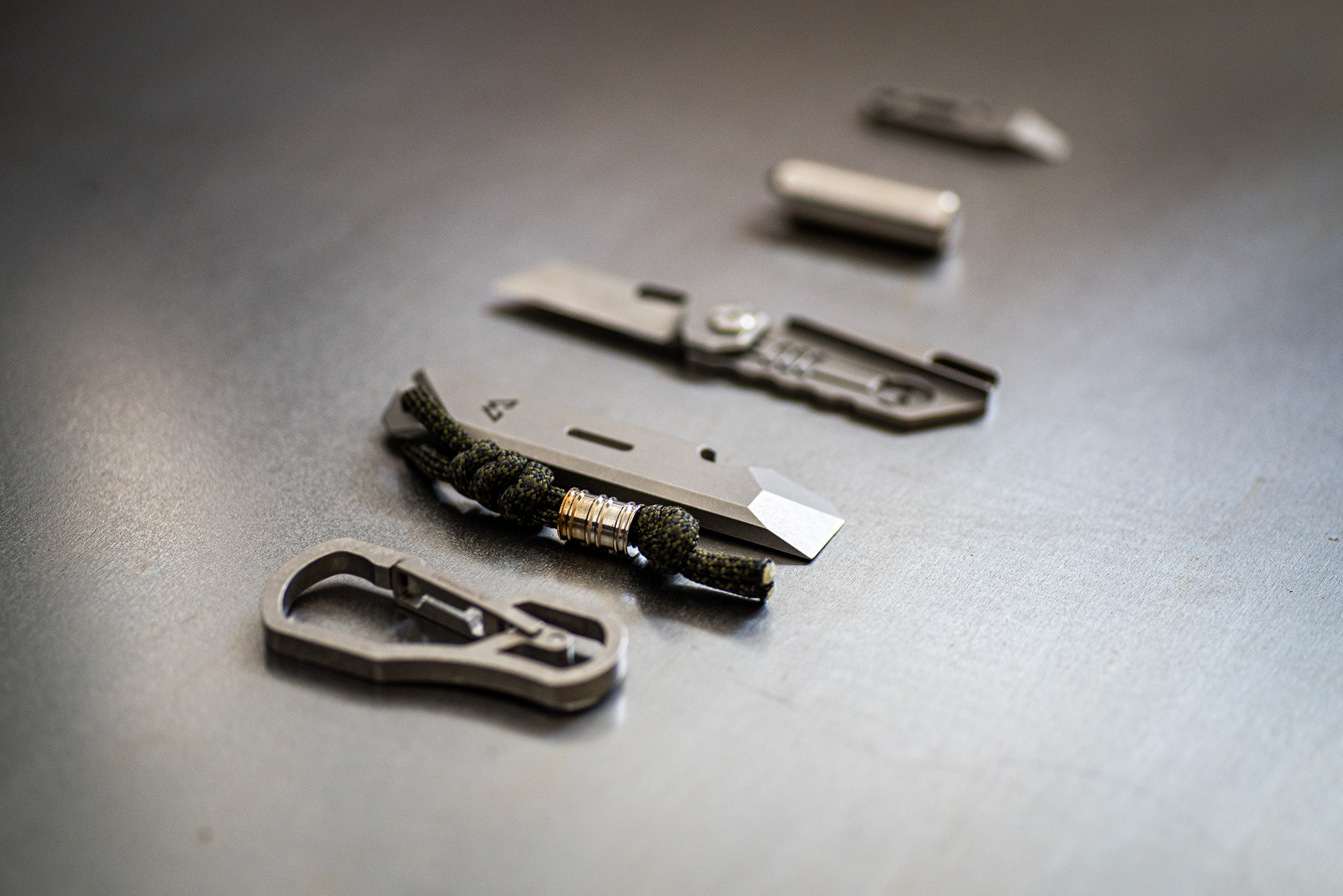
Finding the perfect gift ideas for men under $100 doesn’t have to be challenging. Whether you’re shopping for a boyfriend, husband, dad, brother, or friend, there are plenty of affordable gifts that feel premium, practical, and personal. From everyday carry essentials to mancave upgrades, grooming products, and stylish accessories, this guide highlights some of the best gifts for men that balance quality and value. If you’re looking for unique, useful, or meaningful presents he’ll actually love, these categories make it easy to discover something that fits his lifestyle.

Continue reading “247 Gift ideas for men under $100”

Kitchen Designer vs Interior Designer: Your Complete Guide to Choosing the Right Professional

The Kitchen Conundrum: Making Sense of Design Roles

Picture this: You’re standing in your outdated kitchen, dreaming of sleek modern kitchen cabinets and a space that truly reflects your lifestyle. But who should you call first—an interior designer or a kitchen designer? If you’re feeling overwhelmed by this decision, you’re not alone.

Your kitchen represents one of the most significant investments in your home. Unlike other renovation projects, this isn’t something you’ll tackle again in five years. The choices you make today—from cabinet layouts to material selections—will impact your daily life for the next decade or more.

The stakes are high, which is why understanding the distinct roles of design professionals becomes crucial. Both interior designers and kitchen designer Chicago specialists bring valuable expertise, but their approaches differ significantly.

Continue readingKitchen Designer vs Interior Designer: Your Complete Guide to Choosing the Right Professional”